Skip to content
Accessibility Statement

How Do You Know When a Leather Sandal Footbed Is Worn Out?

How Do You Know When a Leather Sandal Footbed Is Worn Out?

Two at-home tests for arch and heel-cup collapse, the tread signs that mean replace now, and the care that buys you more seasons.

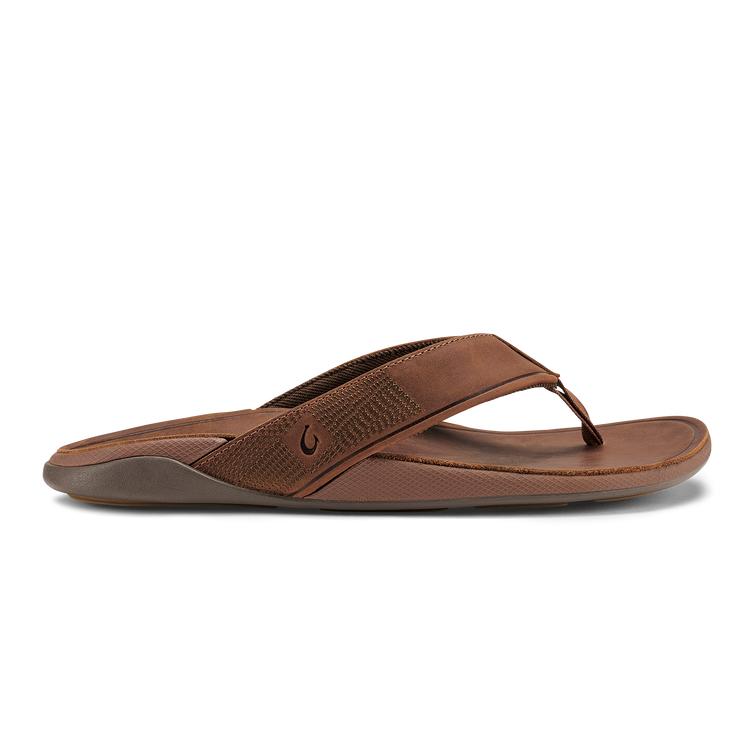
Paniolo - Onyx / Onyx

Key Takeaways

  • Replace a leather sandal when its footbed has permanent creases, a flattened arch or heel cup, or collapses easily under thumb pressure.
  • A sandal that leans inward or outward on a flat surface has uneven structural wear and should be retired rather than relied on for support.
  • Replace water-ready footwear when the outsole tread is worn smooth or wear reaches the cushioning layer, because wet-surface traction drops off sharply.
  • Clean salt and grit before using any liquid, air dry leather away from direct heat, and condition it only once it is fully dry to help prevent cracking.
  • Wipe leather sandals clean rather than soaking them; a water-ready synthetic style is the better choice for repeated, intensive water exposure.
You know a leather sandal footbed is worn out when the arch contour or heel cup stays flattened, the leather develops permanent creases, or the cushioning collapses under gentle thumb pressure. Once the foam takes a permanent compression set, the sandal can no longer deliver supportive all-day comfort, and no amount of cleaning or conditioning brings it back.

How to Recognize Footbed Breakdown

Daily wear eventually leads to compression set, the permanent compaction of the foam inside the midsole and footbed. Over repeated loading cycles the cushioning cells pack out, reducing shock absorption and flattening the contour lines. A healthy anatomical footbed still cups the heel and supports the arch. When you notice deep surface creases, a hard or brittle texture, or an arch profile that no longer rebounds after a day of rest, the footbed has reached the end of its supportive life.

Two Quick At-Home Footbed Tests

Two checks settle it in under a minute. First, the thumb-resistance check: press your thumb firmly into the arch curve and the center of the heel cup. If the structure collapses with little resistance, or feels hard and packed out, the foam has lost its resilience. Second, the tabletop check: set both sandals on a level surface and look at them from behind. If either sandal leans inward or outward instead of standing square, asymmetrical wear has taken hold and the pair is ready to retire.

Loading...

--

When Outsole Tread Triggers Replacement

Replace water-ready sandals when tread smoothing reduces traction, or when wear reaches the cushioning midsole. Wet Grip Rubber outsoles use micro-siping and directional tread patterns to hold grip on wet docks, boat decks, and slick coastal rock. When the perimeter or the flex grooves wear flat, wet-surface contact drops off quickly. A sandal worn completely through the rubber into the foam layer needs replacing right away for dependable footing.
Condition Recommended Action What to Avoid
Dry salt, sand, or grit Brush away with a soft-bristled brush or dry microfiber cloth Applying cleaning liquids before clearing abrasive grit
Light surface dirt Wipe with a damp cloth and mild leather cleaner Submerging leather in standing water
Dry or stiff leather Apply leather conditioner in circular motions once fully dry Drying sandals near radiators, heaters, or direct sunlight
Packed-out, flattened footbed Retire and replace the footwear to restore arch support Assuming conditioning can restore collapsed foam
Worn-through outsole tread Replace the sandals for dependable wet traction Wearing smoothed soles on wet boat decks and slick surfaces

Choosing Footwear for Wet Environments

Match the material to the activity and the pair lasts longer. Full-grain leather sandals such as the Paniolo (pah-nee-OH-loh) are water-resistant rather than waterproof, which suits sea spray, light rain, and coastal walks. For continuous water exposure, boating, or beach swimming, choose a water-ready synthetic style with quick-drying straps that shed water instead. Wiping leather clean and letting it air dry in the shade preserves the oils in the hide and protects against cracking at the grain.

Ready for a New Pair

If the thumb test and the tabletop test both point to a packed-out footbed, it is time to replace rather than repair. These styles carry the anatomical contoured footbed and arch support the tests are checking for.
Loading...

Loading...

--
Shop Now
Loading...

Loading...

--
Shop Now
Loading...

Loading...

--
Shop Now
Loading...

Loading...

--
Shop Now

Maximizing Lifespan and Planning Replacement

Protect footwear durability by brushing away salt grit after coastal outings, drying sandals at room temperature, and applying conditioner only to clean, dry leather. Run the thumb and tabletop checks once a month during heavy-wear seasons so a collapsed footbed does not go unnoticed. Every order placed on olukai.com includes a 1-year manufacturer guarantee for qualifying structural defects and free 30-day exchanges. For step-by-step cleaning instructions, see the OluKai cleaning guide.
Can a flattened sandal footbed regain its original support?
No. Cleaning and conditioning revive the surface, but foam that has taken a permanent set will not spring back. If the arch or heel cup gives way under light thumb pressure, a new pair is the only fix.
How often should I inspect leather sandals for wear?
Once a month through a heavy-wear season, and again after a big beach or travel stretch. Look at arch height, heel-cup depth, strap condition and the tread.
Can I soak water-resistant leather sandals to clean them?
No, keep leather out of standing water. Wipe it down with a barely damp cloth and a mild leather soap, then let it dry naturally, clear of sun and heaters.
What makes a water-ready sandal safer on wet surfaces?
Micro-siping and an intact tread pattern move water out from under the sole, so it stays in contact with slick docks and decks. Once that pattern has worn flat, replace the pair.
Where can I find leather care guidance and warranty information?
See the step-by-step OluKai cleaning guide for maintenance. Qualifying structural issues are covered by a 1-year warranty, alongside free 30-day exchanges on olukai.com.
00 days
:
00 hrs
:
00 mins
:
00 secs